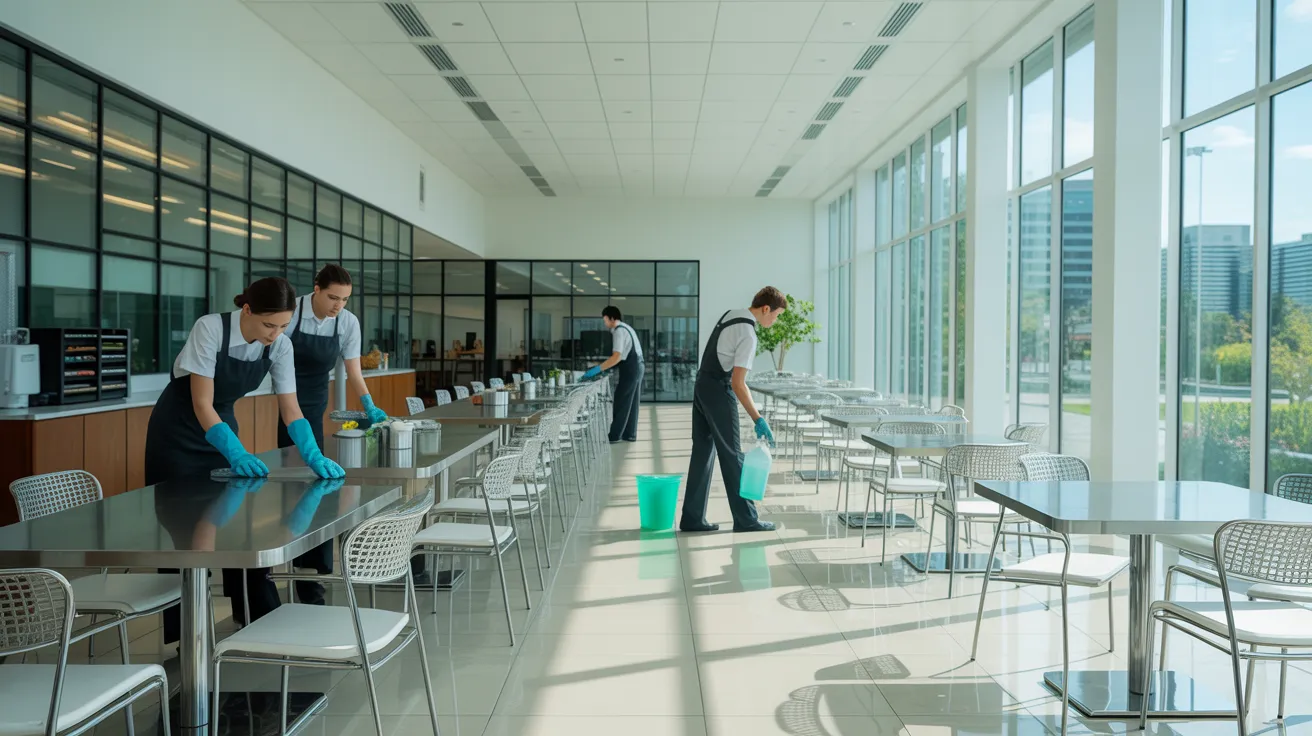
Commercial hygiene experts located in Brampton ensure restaurants, commissaries, bakeries, warehouses, and mobile food units in compliance. They disinfect frequently handled areas, food-contact areas, equipment, floors, drains, restrooms, and preparation zones with certified chemicals, in correct dilution, and using documented contact periods.
Important Highlights
- Brampton's food safety cleaning professionals maintain restaurants, grocery departments, commissaries, warehouses, bakeries, schools, mobile vendors, and allergen-sensitive operations.
- They treat frequently contacted areas, food-contact equipment, kitchens, floors, drains, restrooms, and storage areas using area-specific procedures to avoid cross-contamination.
- Proper chemical concentration, appropriateness, and contact time are validated by qualified contractors, with finishing logged via tests, audits, and correction logs.
- Maintenance plans need to adhere to hazard, output capacity, format changes, releases, and guidelines, with regular, weekly, and periodic operations allocated by zone.
- Focus on suppliers showing HACCP, public-health knowledge, WHMIS preparation, liability, credentials, coded tools, and inspection-ready maintenance paperwork.
What Brampton Facilities Require Food Safety Cleaning?
Brampton venues that handle, store, prepare, package, or serve food require hygiene cleaning. Implement it if your establishment is falls under health reviews, food regulations, or HACCP protocols. The requirement covers eateries, dining facilities, warehouses, supermarket areas, meat counters, fish departments, retail outlets, and institutional kitchens.
Documented food sanitation is also required in warehouses, food manufacturing plants, cold storage sites, retail bakeries, school nutrition programs, banquet halls, and meal delivery hubs. Mobile and temporary operations count as well, such as catering trucks, festival vendors, and pop-up food booths. Your location demands written cleaning standards should your workers handle raw materials, divide prepared foods, warm meals, or maintain allergen storage. In Brampton, food safety continues to be not optional; it forms legal, operational, and consumer protection compliance.
What Services Do Brampton Cleaning Experts Provide?
Professional cleaning services specializing in Brampton disinfect high-contact surfaces, kitchen facilities, ground surfaces, and sanitary facilities to satisfy food safety standards and health requirements. Focus on these locations occurs because they pose maximum contamination danger, potential for accidents, and compliance issues.
Knowing their service areas enables you to validate your facility's cleaning meets operational demands and regulatory compliance.
Critical High-Touch Surface Sanitizing
create a cleaning schedule
By swapping towels, following sequential systems, and separating disinfection materials by zone, you keep a measurable, well-documented, and compliance-ready sanitation plan.
Kitchens, Floors, and Restrooms
Expect Brampton cleaning experts to focus on kitchens, floors, and restrooms because each area carries unique food safety, accident prevention, and public health risks. In industrial kitchens, you need degreasing on cook lines, equipment exteriors, drains, prep surfaces, and splash zones to reduce bacterial growth and pest activity.
Professional floor care with documentation is also included. is also provided as part of the service.
Restroom cleaning involves disinfecting touchpoints, fixtures, partitions, dispensers, and waste containers, replenishing amenities and managing odor. They also service restaurant moprooms, where chemical storage, sink hygiene, and drainage conditions can affect sanitation compliance and staff safety daily.
Food Safety Cleaning Significance for Brampton Businesses
To adhere to regulatory mandates and succeed in audits, Brampton facilities must maintain appropriate cleaning protocols. You also reduce cross-contamination by cleaning and sanitizing food-contact surfaces, equipment, and high-touch areas correctly. Most importantly, you safeguard public health by lowering the risk of foodborne illness in your facility.
Health Code Compliance
Since Brampton food companies must follow strict public health standards, your food safety cleaning directly impacts your capability to fulfill health codes, ensure the safety of diners, and eliminate regulatory penalties. You must maintain sanitized food contact points, documented cleaning schedules, safe chemical management, and documented employee protocols that meet municipal and provincial inspection expectations.
Excellent cleaning standards promotes allergen reduction by limiting particles on mutual appliances plus high-touch areas. If your cleaning standards slip, you encounter infractions, remedial directives, brand harm, and possible interruption to service during follow-up inspections or enforcement reviews.
Contamination Control
Following regulatory requirements depends on your skill in stopping cross-contamination in routine food work and sanitation. You must separate raw ingredients from ready-to-eat foods, sanitize prep surfaces between tasks, and maintain separation of cleaning products from food. Well-defined guidelines decrease contamination chances and support consistent compliance during inspections.
You should establish allergen separation to keep priority allergens from contacting common work areas, storage bins, or tools. Use dedicated cutting boards, color-coded tools, and careful equipment identification so employees avoid combining products during preparation or service. Mandate washing hands following raw meat, seafood, eggs, or allergen-containing products. Change cleaning rags frequently, and verify sanitizer strength with test strips. When staff members receive training on these procedures each work period, you create a cleaner, safer operation that meets Brampton's food safety expectations daily.
Public Health Protection
Should food safety cleaning collapse, you don't simply risk a failed inspection—you expand the odds of foodborne illness impacting customers, staff, and the wider Brampton population. You also undermine your responsibility in protecting public health, especially in high-traffic food premises where pathogens travel quickly through surfaces, equipment, and touchpoints.
You need cleaning protocols that remove soils, disinfect properly, and confirm effectiveness. That means following contact times, employing authorized sanitizers, documenting schedules, and educating employees to meet health-unit expectations. These controls support disease prevention by lowering microbial loads before they reach food or hands. In Brampton, rigorous cleaning protects vulnerable populations, limits outbreak potential, and enables you to show proper care. When you maintain proper standards, you exceed basic requirements—you substantially decrease danger and promote secure food handling throughout the region.
How Can Cleaning Practices Ensure Food Safety Compliance?
Thorough cleaning protocols strengthen food safety compliance by lowering contamination exposure, controlling pathogen growth, and ensuring your facility complies with sanitation requirements under HACCP-based programs and public health regulations. You confirm that contact surfaces appear visibly clean and microbiologically controlled, backing documented preventive controls and inspection readiness.
Cleaning strategies additionally upgrade allergen control by removing residues that can provoke undeclared allergen exposure.
What's the Right Time to Schedule Commercial Cleaning?
accumulate contaminants. Raise frequency
closures, weather-related soil accumulation, or pest pressure timeframes.
Finding Quality Brampton Cleaning Experts: A Guide
Start by screening providers against food sanitation standards, not price alone. You should verify that each company understands CFIA, public health, and HACCP compliance standards relevant to your facility. Ask for insurance documentation, WHMIS compliance, documented staff training, and supervision practices. Review whether technicians understand cross-contamination risks, chemical handling, and traceable sanitation records.
You must also evaluate business consistency and accountability. Seek references from food facilities in Brampton, then assess response speed, corrective processes, and communication standards. Ensure the company supports supplier audits and can provide inspection-ready documentation when authorities or third parties demand verification. Verify equipment is maintained, color-coded items are deployed correctly, and operational-specific risks are understood. A reputable service protects compliance, product integrity, and your brand reputation.
What's covered in a sanitation cleaning strategy?
Document a plan that outlines every sanitation activity, guideline, and role before production begins. You should include cleaning frequencies, approved chemicals, dilution rates, contact times, tools, and verification methods for each area, surface, and device. Ensure you include pre-operational inspections, corrective actions, and employee training requirements.
Your plan should also cover cross-contamination controls, waste handling, pest-prevention measures, and documented schedules for bathrooms, drainage, ground surfaces, and food-handling zones. Clarify how you'll distinguish raw from ready-to-eat operations, help with ingredient tracking, and copyright accurate allergen labeling through validated cleaning between product changes. You should establish accountability, maintain signed records, and check results against regulatory standards, HACCP controls, and customer requirements. When gaps appear, revise procedures immediately and re-educate staff.
Commonly Requested Questions
Do cleaning services operate during overnight shifts at Brampton facilities?
If you operate controlled facilities, you'll also need documentation that support inspections and ensure quality assurance.
Will Brampton cleaning experts address emergency spills?
Yes, you can expect many Brampton sanitation professionals to provide emergency spill response services. They handle hazard containment, assess risks, contain contamination, and start rapid decontamination to reduce exposure and operational disruption. You should verify arrival timeframes, training certifications, safety procedures, and waste management. If your facility must meet health or food safety regulations, choose a provider that documents incidents, maintains regulatory procedures, and learn the details supports audit readiness.
Are plant-based disinfectants secure for surfaces contacting food?
Definitely, green disinfectants work safely on food-contact surfaces if you buy disinfectants approved for food contact that adhere to regulatory requirements. You need to verify exposure duration, concentration levels, and rinsing needs prior to application. Botanical formulations decrease toxic chemical contact, but you should obtain evidence of effectiveness against harmful bacteria. To ensure residue free surfaces, stick to manufacturer directions precisely and validate your disinfectant meets relevant food safety standards.
Will cleaning plans accommodate seasonal variations?
Absolutely, cleaning schedules allow customization for production fluctuations. Modify intervals, staff levels, cleaning agents, and verification steps to align with production rhythms while maintaining regulatory requirements. Minimize equipment downtime through timing cleaning amid changeovers, peak seasons, and usage cycles. Also revise procedural documents, instruction programs, and environmental testing to address seasonal hazards, new allergens, or higher contamination levels. Ongoing evaluations maintain your strategy current.
Do commercial cleaning providers instruct your team in sanitation best practices?
Yes, professional cleaning services typically educate your staff on hygiene standards. You get employee instruction on proper chemical use, exposure periods, contamination control, equipment disassembly, and documentation. They generally follow instruction with HACCP, GMP, and CFIA or local public health regulations. Many perform hygiene inspections to confirm adherence, spot deficiencies, and reinforce corrective actions. This allows you to maintain consistent procedures, succeed in audits, and minimize contamination hazards daily.
Summary
Through engaging Brampton food safety and commercial cleaning experts, you accomplish much beyond organizing—you ensure your facility for inspections and your procedures stay aligned with regulations. From kitchen spaces to processing areas, all clean areas and organized zones reduce contamination risks and avoid major losses. Through booking service at proper intervals and sticking to a solid cleaning plan, you ensure protection for your team, clients, and your standing. In a tightly controlled regulatory landscape, clean conditions must be a priority—they are fundamental to success.